Showing: 51 - 55 of 180 RESULTS
Stall and Stable Podcast

EP 110: What Would You Do with $150k?

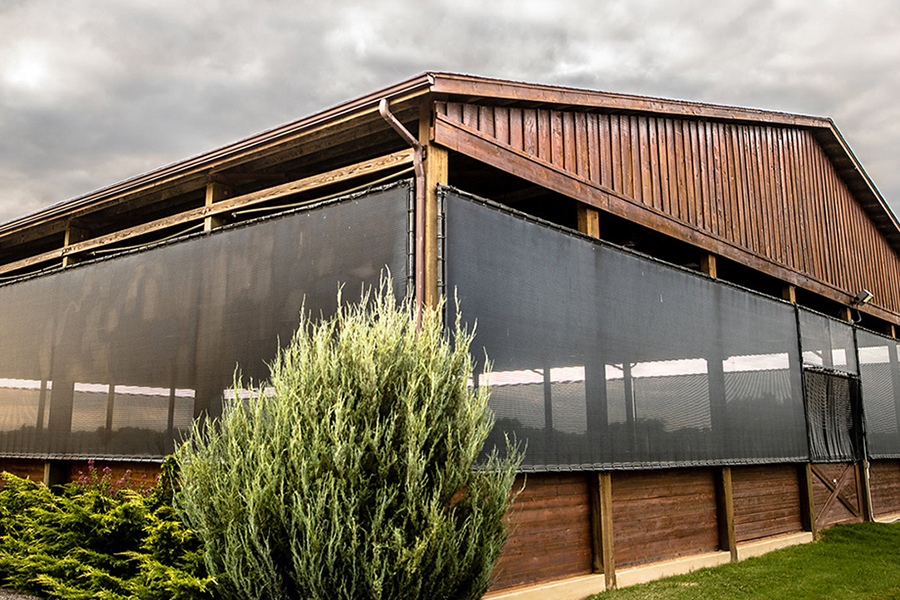
BarnPros Riding Arena

We asked the Stall and Stable Facebook community to see what they would do with $150,000 cash. The answers came rolling in – most with hope and optimism, some with a bit of grumbling. In this episode, Helena shares those answers with you, and provides insight about some of the more common responses and misconceptions. It is interesting that so many farm owners have no idea just what $150,000 will (and won’t) buy. Listen in!

This episode is brought to you by AMERICAN STALLS


Thinking about building a barn, arena, or barn with living quarters? Go to BarnPros first!

How to Optimize Your Credit Score

Your credit score is one method of assessing your potential risk of defaulting on a loan. Regardless of what your current credit score is, it can always be better, and the better it is, the easier it will be for you to obtain additional credit, and at more favorable terms. Here are a few tips to help you prepare for turning that dream project into a reality, by beefing up your credit score:

  1. Make sure the information on your credit report is accurate (get a free report at annualcreditreport.com).
  2. If you discover any problems, ask your creditors to remove anything questionable. 
  3. Manage your finances well by paying your bills and debts on time. 
  4. Reduce non-essential spending and put what you save toward your current debts. 
  5. Don’t carry a balance on your credit cards, or pay as much as you can each month. 
  6. Open new credit accounts sparingly. 
  7. Don’t use more than 30% of your available credit limit. 
  8. Don’t close existing credit accounts. 
  9. If you are having trouble making payments, contact your creditors to request forbearance assistance
  10. Be sure to make payments before the credit bureau ‘reporting date’, which is usually (but not always) 45 days after the payment due date. 
  11. To avoid paying bills and debts late, set up electronic auto-pay through your online banking program. 
  12. If your credit score isn’t strong enough on a standalone basis to get a loan, see if you can get someone to co-sign or guarantee the loan for you. 
  13. Subscribe to self-reporting credit enhancement services (ex: Experian Boost). 
  14. Get a secured credit card. (What is that?)
  15. Take out a ‘credit-builder’ loan. 
  16. Beware of identity theft by proactively monitoring changes in your credit score. 

If you need help improving your credit score, free resources are available from the Consumer Finance Protection Bureau.

If you need planning assistance for your barn or business, book a Stall and Stable appointment.
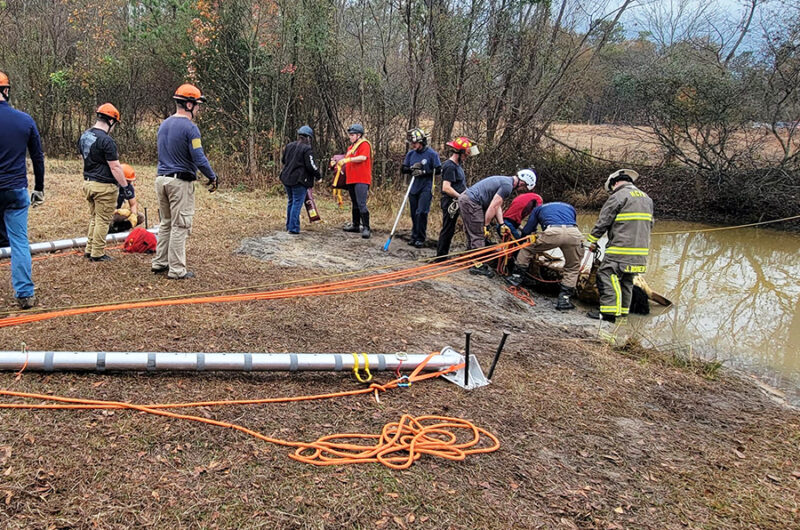
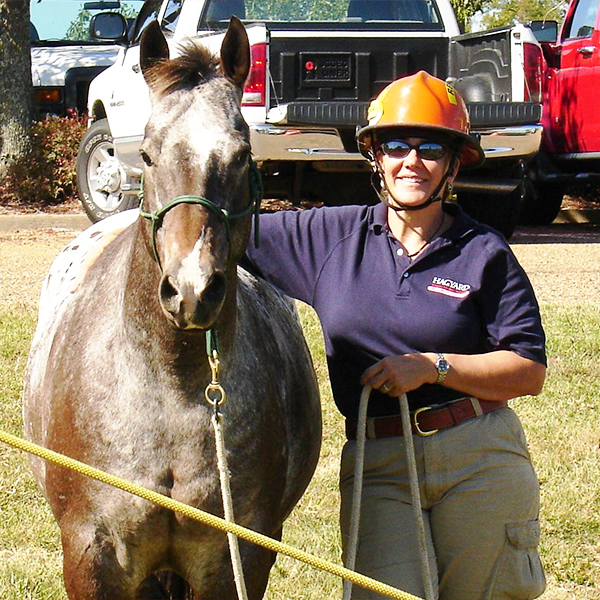
Training to rescue a horse out of a pond
Stall and Stable Podcast

EP 109: Preventing Disasters

Did you know that most farm disasters are preventable? The old adage that “horses are horses” and therefore just ripe for catastrophe is more myth than fact. While it’s true that keeping large flight animals in containers designed for human convenience presents many challenges, the problem isn’t with horses. It’s with our lack of knowledge. My guest today, Dr. Rebecca Husted, is changing that by taking her knowledge and expertise in large animal rescue operations and sharing it with the horse world. This is an episode you don’t want to miss, so listen in!

This episode is brought to you by American Stalls


For more information:

Technical Large Animal Emergency Rescue

TLAER YouTube Library

Rebecca’s Articles on TheHorse.com

How to Configure an Equine Facility to Prevent and Better Respond to Barn Fires

USHJA Webinar on Barn Fire Prevention

Equestrian Clinic
Business

Customer Service as a Competitive Advantage

Driving new business in the horse industry is not always about social media posts, video shorts, or using the right SEO keywords–although those things are all important. With the world of digital advertising being so competitive these days (we call it “saturated”), it is challenging to help your business grow by advertising alone. As consumers become saturated with online media, people are keen on visiting businesses IRL now.

Now that folks are recovered from the worst of the pandemic and doing things with their horses again, they are also ready to shop local again. It’s nice to have the convenience of the Internet, of course, but doing business online has been happening long enough that just about everyone has experienced the pros and cons of that dynamic. The cons, in particular, have proven powerful enough to drive a good chunk of foot traffic back into the doors of brick & mortar businesses. How many times can someone order breeches in what they think is their size, only to find that they don’t actually fit after Amazon drops them off at the door?

Good Service will Boost Your Bottom Line

One proven method of getting new (and repeat) business is to provide good customer service. The nice part about using good service as a strategy for business success, is that it costs so very little to implement. In fact, it is primarily dependent on two things: 1) Putting yourself in your customers’ shoes, and 2) How you train your employees.

A standard operating procedure (SOP) that includes customer service strategies should be in place for all professionals in the horse industry, whether you are an equine veterinarian, stable owner, tack shop owner, farrier, or trainer. Every call, every customer, every lead should be treated like royalty. If you imagine yourself in each customer’s shoes, try to think about what is important to them. Are they confused about which bit to buy and need clarity about which ones do what? Is a medical procedure you recommend too expensive for your client’s budget? Is the backyard barn owner lonely, in need of someone to chat with who understands their horse or their particular joy or dilemma? It doesn’t matter what the situation is. What matters is that you take a hot second to consider what is important to your customer. And when you have that lightbulb moment about them, knowing what to say or do to make them happy, comfortable, relieved, inspired, etc., becomes very clear.

When an interaction between a customer and your business leaves that customer feeling good, they will not just buy, they will spend more than they had planned. And, they will return. Leave a customer feeling good, and they will support your business time and time again.

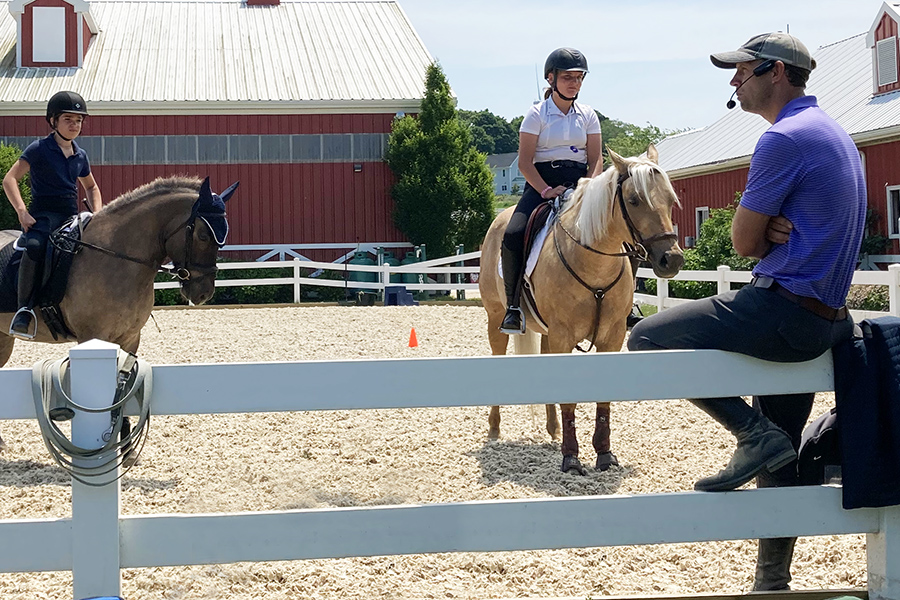
Sinead Halpin loving on a pony during a clinic
Sinead Halpin knew that what this pony and his rider needed during one of her recent clinics was a quick pro ride to help the pony better understand exactly what the humans wanted. It was low-key, kind, and very educational. Once his rider was back in the tack, there were smiles all around! Great service comes in many forms.

Put a Service Training Plan Together

Our advice is to put a training plan together that addresses how your staff should handle common customer questions, requests, and conflicts. Make sure every one of your employees buys into it. Staffers can’t simply be informed of your service plan, they need to understand the difference between authentically helping a customer and just going through the motions of what they think good service should be.

Make this kind of training a part of your weekly staff meetings. You don’t need to harp on it or overwhelm your crew with the threat of fire and brimstone if they get it wrong. A few simple instructions and an explanation about why being helpful is good for everyone, and your team will catch on quickly.

Be Kind, Be Fair, Be Real

If we had to sum up good customer service in one sentence, it would be this: “Be kind, be fair, be real.”

Being kind requires empathy–putting yourself in your customers’ shoes. Being fair means pricing your goods appropriately, and don’t take advantage of someone’s naivete (we all know how common that is). Being real means being authentic and self-aware. You are not All That and a Bag o’ Chips, despite what you may hear in your TikTok echo chamber. Do not Photoshop your Instagram photos (yes, I just used a noun as a verb, don’t judge). Take the filters off your video settings. Authenticity breeds credibility and trust; those are the cornerstones to good business… and good horsemanship.


What are your thoughts or strategies for providing good service? Comments welcomed below!

Business

Equestrian Retailers: Get Real

How to write effective product descriptions that boost your sales.

One of the most important aspects of digital merchandising-heck, any retail merchandising-is understanding how to break into the very limited attention span of your customers.

The first thing to keep in mind is that you are selling real products to real people, this means you need to write your product descriptions for real people.

If you are selling online, don’t restrict product descriptions to cold facts and impersonal sentences. When you don’t have the benefit of charm, expertise, and good customer service that comes with the in-person shopping experience, you need to replicate that in digital form. As you, or your marketing person sits down to post a product to your e-commerce shop, you want to remember that there’s more to merchandising than a basic description of the product. Of course you need to tell the customer all about the fabric, fit, size, style and other important details, but since you are addressing real people, you need to do it in a way that they speak and understand.

Our suggestion is to throw the manufacturer’s product copy in the garbage bin and write a compelling story from scratch. This means you will need to understand a product’s benefits first. To do this, ask yourself these questions: “Why would your customer want to buy this product?” and, “What problem does this product solve?”

Your story does not have to be long or complicated, but it does need to be authentic. That is the secret to selling! You’re not pushing a product for the sake of pushing a product. You are instead helping a horse person just like you, solve a problem. Even if that problem is finding the perfect pair of blue breeches that match your sparkly new helmet. It may be a #fwep, but it’s a problem nonetheless, and if your product solves it, say so!

A good product description is an art that needs practice, yes, but your customers will appreciate – and buy – products that are relevant to their real life needs and wants.

Here’s an example of product copy for a time-saving gadget for equestrians:

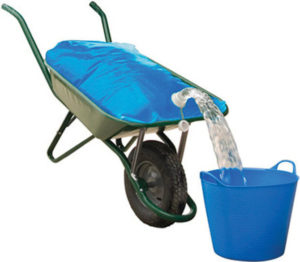
Barn Life Just Got Easier with the H2Go Bag

Why didn’t we think of this?!

So smart, so handy, so many, many uses. Think barn, pasture, trailer, shows, clinics, gardening, camping… you will realize you need several of these.

The H2Go Bag is a super easy way to transport water. It holds 20 gallons of liquid and works with any wheeled contraption in your barn – especially a wheelbarrow.  Perfect for taking water out to the paddocks or for filling up buckets at shows. It includes an anti-slip mat to keep the bag from slipping out of the wheelbarrow, and two spout attachments.

Regular Price: $21.99,  Our Price: $15.99

With a casual tone and a little humor, this product copy gets the user thinking about all the ways the H2Go bag can make their life easier. More importantly, it considers the buyer and their needs. That kind of subtle message in your text can really connect with someone and generate real interest in the product.

Give it a try, or ask us for copywriting help.

Alicia and husband in front of barn door
Business

The Humble Hoof Goes Big

Congratulations to Alicia Harlov of the Humble Hoof, on the purchase of her new hoofcare rehab farm in Massachusetts!

With the help of Stall and Stable, Alicia was able to leverage her success as a top-tier hoofcare provider to turn talent, dedication, and a dream into reality. Of course, it takes a great team to make dreams happen, and Alicia is the kind of professional–human being, actually, that attracts good people. She had a good team behind her in this endeavor.

Using the SBA’s 504 loan program, Alicia and her husband purchased a 20-acre farm in northeastern Massachusetts where the Humble Hoof will offer hoof rehab services using a paddock track system that encourages healing of the equine hoof.

To learn more about the Humble Hoof, go to: www.humblehoof.com.

If you have big plans for your equine business, book an appointment with Helena to get started.